Dangerous Goods Assessments for Safer Hiring

Hazel Hernandez


May 20, 2026

6 min read

Key Takeaways
- Past certifications do not always prove a candidate is ready to work today.
- Live testing provides a clear picture of a worker's current safety skills.
- Dangerous goods assessments help businesses follow Australian safety laws.
- Proper chemical handling reduces the risk of accidents and fines.
- RefHub helps you find workers who truly understand hazardous materials.
Hiring for roles that involve hazardous materials is a major responsibility. You must know that your staff can handle risks without making mistakes. Dangerous goods assessments help you find the right people for these jobs. These tests check if a worker knows how to manage dangerous items safely. In Australia, the transport and storage of hazardous items are strictly regulated. Using a strong testing process makes sure your business stays safe and follows the law.
Why Old Certificates Are Not Enough
Many people in the logistics industry hold a hazmat certification. This piece of paper shows they passed a course at some point in the past. However, a certificate from five or ten years ago does not tell you everything. It does not prove that the person remembers what they learned. It also does not show if they have kept up with new safety rules.
The Risk of Outdated Skills
Rules for moving hazardous items change over time. If a worker relies on old information, they might use the wrong labels or store chemicals incorrectly. This creates a dangerous environment for everyone on your site. You cannot assume a candidate is ready just because they have a plastic card in their wallet. You need to see proof of their current skills before they start their first shift.
How Live Tests Check Current Skills
A live test is different from looking at a resume. It asks the candidate to solve problems they will face on the job. For example, you might ask them how to group different classes of chemicals. You might ask them what to do if a container starts to leak. These tests show you how the person thinks and if they can stay calm under pressure.
Using Tools to Verify Candidate Knowledge
When you hire a new driver or warehouse worker, you must verify candidate knowledge before they touch any hazardous materials. This step is a core part of a smart hiring plan. By using RefHub, you can see if a candidate understands the specific risks of your workplace. This process removes the guesswork from hiring. It gives you facts about what a person can actually do.
Improving Logistics Safety in Australia
Logistics safety is a top priority for any business moving freight. In Australia, the transport of dangerous goods is governed by the ADG Code. This code sets out strict rules for:
- How to pack items.
- How to label containers and trucks.
- How to separate different types of chemicals.
- What paperwork must stay with the load.
If your team does not follow these rules, your business could face heavy fines. Worse, a mistake could lead to a fire, an explosion, or environmental damage.
Following the ADG Code
A good assessment will check if a candidate knows the ADG Code. They should know how to read a transport document. They should also know the difference between "Limited Quantities" and bulk loads. If they cannot answer basic questions about the code, they are a risk to your business.
Best Practices for Chemical Handling
Chemical handling is a specific skill that requires focus. Workers must know how to use Personal Protective Equipment (PPE) correctly. They must also know which chemicals can be stored together and which must stay apart. For instance, storing acids near flammable liquids is a recipe for disaster.
Reading Safety Data Sheets Correctly
Every hazardous chemical comes with a Safety Data Sheet (SDS). A worker must be able to read this sheet and find information quickly. They need to know:
- The health hazards of the chemical.
- First aid measures if someone is exposed.
- How to put out a fire involving that chemical.
- How to clean up a spill.
Testing a candidate on their ability to read an SDS is a great way to check their attention to detail.
Moving Beyond Hazmat Certification
A hazmat certification is a good starting point, but it is not the end of the process. Think of it as a learner's permit. It shows they have the basic idea, but it does not prove they are an expert driver. Your business needs experts. Dangerous goods assessments bridge the gap between having a certificate and being a safe worker.
Why Testing Matters for Compliance
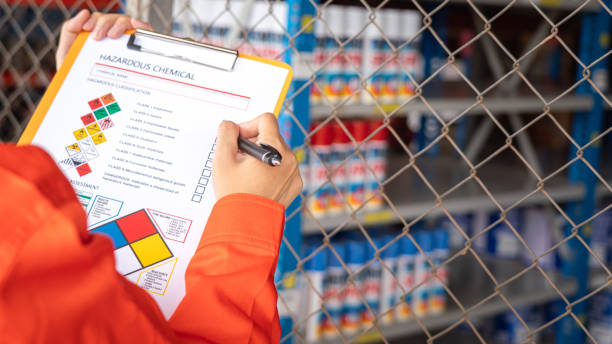
In Australia, employers have a legal duty to provide a safe workplace. This is part of Work Health and Safety (WHS) laws. If an accident happens and you cannot prove you checked your worker's skills, you could be held liable. Using a formal assessment process shows that you took reasonable steps to hire a competent person. It protects your business and your employees.
Benefits of Using RefHub for Hiring
RefHub provides a clear way to check the quality of your candidates. By using our system, you get several benefits:
- You save time by filtering out candidates who lack the right skills.
- You reduce the risk of workplace accidents.
- You build a team of professionals who take safety seriously.
- You get a record of the candidate's test results for your files.
Using these tools makes your hiring process more professional. It shows your clients that you care about safety and quality.
Conclusion
Hiring for dangerous goods roles is not something you should do quickly. You need a process that looks deeper than a resume. While certifications are helpful, they are only one part of the story. By using dangerous goods assessments, you can be sure that your new hires have the skills they need for the job. This protects your staff, your equipment, and your reputation in the Australian logistics industry. RefHub is here to help you make these important decisions with confidence.
Frequently Asked Questions
Why is a live test better than just checking a certificate?
A certificate shows that someone passed a test in the past. A live test shows what they know right now. It tests their current ability to handle real-world situations. This is the best way to make sure they are ready for the job.
What topics should a dangerous goods assessment cover?
An assessment should cover the ADG Code, chemical storage rules, labeling, and emergency response. It should also check if the candidate can read and understand Safety Data Sheets.
How does testing help with Australian safety laws?
WHS laws require employers to make sure workers are competent. A formal assessment provides documented proof that you checked a worker's skills. This helps you meet your legal duties as an employer.
Can RefHub help with other types of logistics roles?
Yes. RefHub is designed to help you verify the skills and history of candidates across many roles. This makes the hiring process faster and more reliable for your business.
How often should workers be reassessed?
It is a good idea to check skills regularly. Even if someone has been with you for years, a quick assessment every year or two can help keep safety at the front of their minds. This is especially important if safety laws or company procedures change.
Related Articles


English (United States)