Unconscious bias
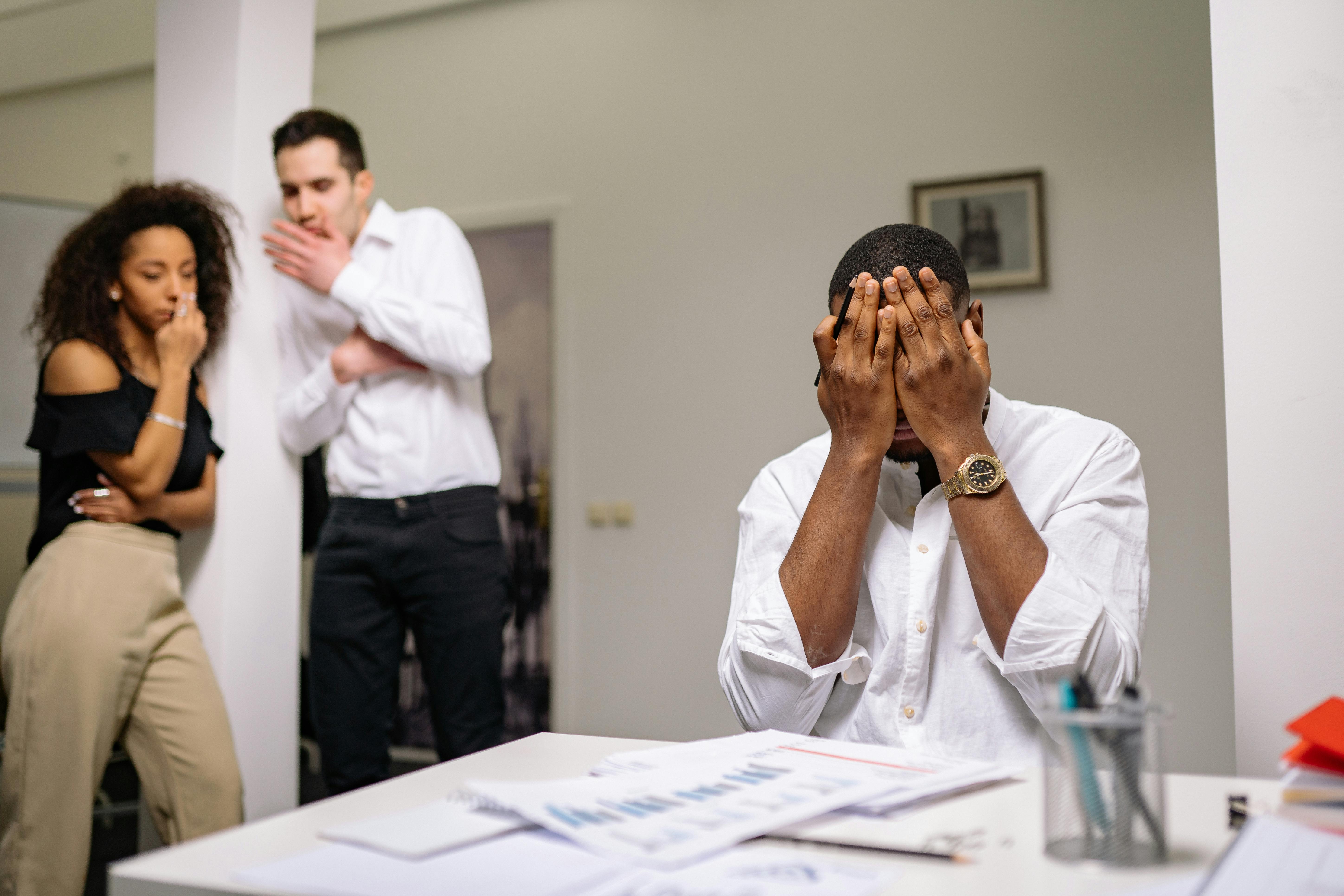
Unconscious Bias
Unconscious bias is a quick judgment or a hidden feeling you have about certain groups of people. These thoughts happen automatically in your brain without you knowing it.
Detailed Explanation of Unconscious Bias
Unconscious bias happens because your brain tries to process a lot of information very fast. Your brain uses shortcuts to make sense of everything around you. These shortcuts are based on your background, your culture, and your past experiences.
While these shortcuts help you make fast choices, they are not always right. They often lead to unfair ideas about people based on their race, age, gender, or other traits. You might think you are being fair, but your brain is making a choice before you even think about it.
Scientists often call this "implicit bias." It is different from "explicit bias," which is when someone is mean to others on purpose. With the unconscious kind, you might even have beliefs that go against what you say you value. For example, you might say you believe in equal pay, but your brain might still hold a hidden bias that favors one group over another.
Here is how it works in your mind:
- Your brain takes in millions of pieces of data every second.
- To save energy, it groups people and things into categories.
- It assigns "good" or "bad" labels to those categories based on things you have seen in movies, news, or your own life.
- When you meet someone new, your brain matches them to a category instantly.
Why Unconscious Bias Matters in Your Workplace
Unconscious bias can change how you treat your coworkers and how you hire new people. If you do not check these hidden thoughts, they can lead to mistakes that hurt your team.
Making decisions based on hidden feelings can lead to:
- Hiring people who are just like you instead of the best person for the job.
- Giving better assignments to some people while ignoring others.
- Missing out on great ideas because they come from someone you do not "click" with.
- Creating a team where everyone thinks the same way.
When you allow these biases to run your office, it makes the environment feel unfair. People who feel treated unfairly are more likely to leave their jobs. This leads to higher costs for the business because it has to find and train new staff.
By learning to spot these thoughts, you can:
- Make more objective choices.
- Help your team feel safe and valued.
- Build a group with many different skills and views.
- Make sure that everyone has a fair shot at a promotion.
Common Types and Examples of Unconscious Bias
There are many ways your brain can trick you. Knowing the names of these biases helps you see them when they happen.
Affinity Bias
This is when you feel a connection to people who are like you. You might like someone because they went to the same school or have the same hobbies.
- Example: You hire a person because they also like the same sports team as you, even if the other candidate has better skills.
Confirmation Bias
This happens when you look for information that proves what you already think. You ignore any facts that show you are wrong.
- Example: You think a coworker is lazy. When they are five minutes late once, you use it to prove your point. You ignore the ten times they stayed late to help.
The Halo Effect
This is when you see one great thing about a person and let it color everything else they do. You assume they are perfect at everything.
- Example: A person is very good at public speaking. You assume they must also be great at math and managing money, even if they have no experience in those areas.
The Horn Effect
This is the opposite of the halo effect. You see one thing you do not like and assume the person is bad at their whole job.
- Example: A person has a typo in an email. You decide they are not smart and cannot handle big projects.
Conformity Bias
This is also called "groupthink." It happens when you change your opinion to match the rest of the group. You do this because you want to fit in.
- Example: In a meeting, everyone says they like a new idea. You think the idea is bad, but you stay quiet or agree because you do not want to be the only one saying no.
Key Takeaways
- Unconscious bias is an automatic mental shortcut.
- Everyone has these biases, regardless of their intentions.
- These hidden feelings can lead to unfair hiring and promotion choices.
- You can reduce the impact of bias by slowing down your decision process.
- Using data and set rules helps keep choices fair.
Synonyms and Antonyms
Synonyms
- Implicit bias
- Hidden prejudice
- Automatic association
- Mental shortcut
- Cognitive bias
Antonyms
- Objectivity
- Fairness
- Impartiality
- Neutrality
- Conscious awareness
Related Concepts
To fully understand this topic, you should also look into these areas:
- Diversity and Inclusion: The practice of making sure a workplace has many types of people and that they all feel welcome.
- Cognitive Dissonance: The mental discomfort you feel when you hold two beliefs that do not fit together.
- Blind Hiring: A way of hiring where you remove names and photos from resumes to stop bias.
- Standardized Testing: Using the same test for every person to make sure you judge them on facts, not feelings.
Frequently Asked Questions
Can you get rid of unconscious bias?
No, you cannot completely remove it. It is a part of how the human brain functions. However, you can learn to notice it. Once you notice it, you can stop yourself from acting on it.
Is unconscious bias the same as racism?
Not exactly. While it can lead to racial prejudice, it is a broader term. It includes bias about age, weight, height, gender, and even where someone lives. It is about the brain's habit of making groups, not just about race.
How do I find out what my biases are?
You can take online tests, like the Implicit Association Test (IAT). You can also ask for feedback from a diverse group of friends or coworkers. Pay attention to your first thoughts when you meet someone new.
Does having bias mean I am a bad person?
No. Having these thoughts is normal. It is how you act on them that matters. A good person works hard to make sure their hidden feelings do not hurt others.
How can a business reduce bias in hiring?
A business can use the following steps:
- Use a set list of questions for every interview.
- Have more than one person grade the candidates.
- Use skills tests instead of just looking at resumes.
- Set clear goals for what a "good" candidate looks like before starting the search.
Final Summary
Unconscious bias is something that affects every person every day. It is a natural shortcut your brain uses to handle a complex world. While it is not always bad, it can cause real harm in professional settings. It can stop you from seeing the true value in your coworkers. It can also lead to a team that lacks different perspectives.
To fight this, you must be willing to look at your own thoughts. Slow down when you are making a big choice about a person. Ask yourself why you feel a certain way. Is it because of their work, or is it because of a hidden label in your mind? Using clear rules and data can help you stay fair. When you make a move toward awareness, you help create a better workplace for everyone.
Do you want to see how your team handles new technology and fair choices? Understanding how people think is the first step to a better business. Check your team's readiness today.
Get a clear picture of your team's potential with our tools. Take the next step toward a smarter workplace.
To learn more about how technology and human thinking work together, visit our AI Skill Assessment Page: https://refhub.com.au/ai-skill-assessments