Electrical safety basics for maintenance staff

Hazel Hernandez


May 20, 2026

6 min read

Key Takeaways
- Maintenance workers face electrical risks even if they are not licensed electricians.
- Testing for electrical safety basics helps prevent workplace accidents and injuries.
- Using standardized tests makes maintenance hiring more reliable and fair.
- Basic knowledge includes recognizing frayed cords, water risks, and lockout procedures.
- Australia has strict safety laws that require proper training and assessment for all staff.
Introduction to Electrical Safety
Electrical safety basics are a set of rules and skills used to prevent shocks, burns, and fires. In your role as a manager or business owner in Australia, you know that safety is the most important part of any job. Every person who works on your site must understand how to stay safe around electricity. This is true for people who fix machines, clean buildings, or manage facilities.
You must focus on these skills during the hiring process to keep your workplace safe. When you look for new staff, you need to know if they can spot a hazard before it causes harm. This article will help you understand why these skills matter for every maintenance role. It will also show you how to use testing to find the best workers for your team.
Why Non-Electricians Need Safety Knowledge
You might think that only a licensed electrician needs to know about wires and circuits. However, facility maintenance workers interact with electrical systems every day. They plug in heavy tools, change light bulbs, and work near power boards. If they do not know the risks, they could put themselves and others in danger.
Even roles that seem simple have risks. For example, a worker might need to:
- Use a high pressure cleaner near outdoor power outlets.
- Move metal ladders near overhead power lines.
- Reset a circuit breaker in a dark plant room.
- Replace a damaged power lead on a vacuum cleaner.
Without a strong grasp of safety, these tasks can lead to serious injury. By checking their knowledge early, you make sure they have the right habits. This is why RefHub suggests using electrical safety assessments for every candidate you interview. These tests show you if a person respects the power of electricity or if they take dangerous shortcuts.
The Role of Electrical Hazard Testing in Hiring
Maintenance hiring is a difficult task because you need to check many different skills. You need people who are good with their hands, but you also need people who think clearly. Electrical hazard testing is a way to measure a candidate's ability to see danger. It is not about complex wiring; it is about common sense and safety rules.
When you include these tests in your hiring steps, you get a clear picture of a worker's habits. You can see if they know to:
- Check for "Test and Tag" labels on all equipment.
- Look for cracked casings on power tools before use.
- Keep water and liquids away from electrical panels.
- Report a flickering light instead of trying to fix it themselves.
Using these tests helps you filter out people who might be a liability to your business. It also shows your current team that you take their safety seriously.
Benefits of Blue-Collar Assessments
Blue-collar assessments are tools that help you hire the right people for physical jobs. They go beyond a simple resume. They test real-world skills that are needed on a job site in Australia. When you use these assessments, you reduce the risk of hiring someone who does not understand the local safety standards.
The benefits of using these assessments include:
- Lower Accident Rates: Workers who pass a safety test are less likely to make mistakes that cause shocks or fires.
- Legal Compliance: Australian law requires you to provide a safe workplace. Testing shows you are doing your part to check worker skills.
- Better Productivity: A worker who knows how to handle tools safely will work faster and with more confidence.
- Reduced Insurance Costs: Fewer accidents can lead to lower premiums for your business over time.
- Clear Training Needs: The test results can tell you what your new hire still needs to learn.
Common Electrical Hazards in Maintenance
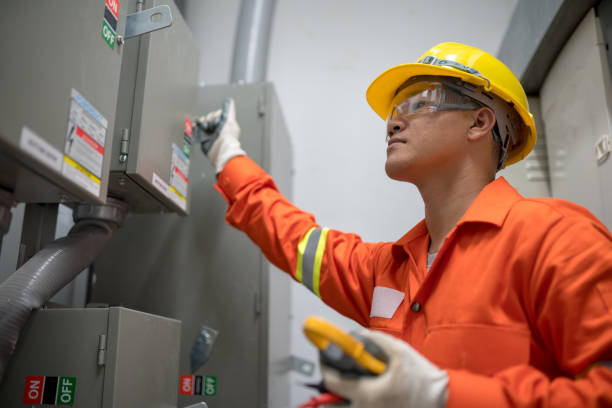
Your maintenance team will see many hazards during a normal shift. You need to be sure they can identify these problems quickly. Here are the most common hazards they should know about:
- Damaged Insulation: Wires with cuts or worn covers can touch metal surfaces and make them live.
- Overloaded Circuits: Plugging too many machines into one power board can cause a fire.
- Wet Environments: Using electrical tools in the rain or near leaks is a major risk for a fatal shock.
- Lack of Lockout/Tagout: Working on a machine while it is still plugged in or turned on is very dangerous.
- Incorrect Tool Use: Using a tool that is not rated for the job can lead to electrical failure.
Testing for electrical safety basics makes sure your workers do not walk past these problems. It encourages them to stop work and fix the hazard or call a professional.
How to Test for Basic Electrical Knowledge
You do not need to be an expert to test your candidates. You can use pre-made tests that cover the most important points. These tests usually use multiple-choice questions or picture-based scenarios. This makes them easy for people with different reading levels to complete.
When you set up your testing process, follow these steps:
- Define the Level: Decide how much electrical knowledge the role really needs. A gardener needs different skills than a factory mechanic.
- Use Real Examples: Ask questions about the specific tools and machines used at your site.
- Check Australian Standards: Make sure the test follows the rules set by your local state safety body.
- Review the Results: Look for patterns. If many candidates fail a certain section, you might need to change your training for everyone.
By making these tests a normal part of your hiring, you build a culture where safety comes first.
Frequently Asked Questions
Do non-electricians need a license to perform maintenance?
No, non-electricians do not need a license for basic maintenance tasks. However, they are strictly forbidden from doing any "prescribed electrical work". This includes wiring, fixing internal parts of appliances, or installing new power points. They must only perform tasks that do not involve touching live wires.
What is the main goal of electrical hazard testing?
The main goal is to prevent injury and death. It checks if a worker can identify a risk and knows when to stop working. It also helps you see if a worker follows the "look, don't touch" rule when they find a fault.
How often should maintenance staff be tested?
It is a good idea to test new hires before they start. You should also run refresher tests once a year or whenever you get new machinery. Regular testing keeps safety at the front of their minds.
Can a safety assessment replace a background check?
No, a safety assessment only checks a person's knowledge and skills. You still need to do background checks and reference checks to make sure the person is honest and has a good work history.
Conclusion
Keeping your team safe starts with hiring the right people. Understanding electrical safety basics is a requirement for every person in a maintenance role. Whether they are fixing a door or cleaning a floor, they must know how to stay safe around electricity. By using electrical hazard testing and blue-collar assessments, you protect your workers and your business. You make sure that every person on your site has the knowledge to go home safe at the end of the day. Using tools from RefHub can make this process simple and effective for your Australian business.
Related Articles


English (Australia)