Spotting Electrical Safety Knowledge Gaps When Hiring

Hazel Hernandez


May 20, 2026

6 min read
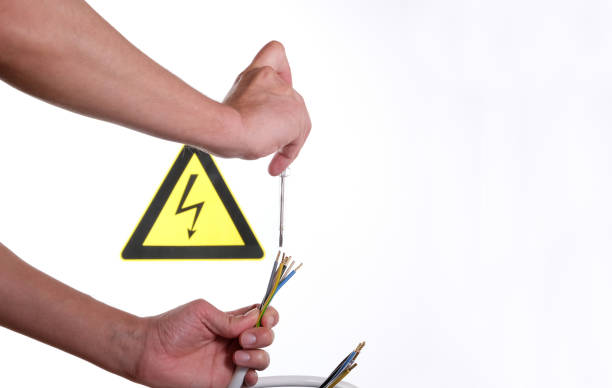
Hiring the right electrician is a big responsibility for your Australian business. You need workers who know how to handle high voltage and complex wiring. If you do not find electrical safety knowledge gaps during the interview stage, you put your team at risk. A person might have a license, but they may not know the specific safety rules for your site. You must have a clear way to check their actual skills before they start work.
Key Takeaways
- Finding gaps early prevents accidents on the job site.
- Skill tests show you exactly what a new hire needs to learn.
- Testing helps you meet Australian HR compliance standards.
- You can save money by only hiring people who pass basic safety checks.
Why You Must Find the Candidate Skills Gap Early
The candidate skills gap is a real problem in the electrical industry. Many people apply for jobs with resumes that look great. However, their practical knowledge of current Australian standards might be old. If you hire someone with these gaps, you spend more time fixing mistakes.
You should look for gaps in these areas:
- Knowledge of AS/NZS 3000 wiring rules.
- Proper use of personal protective equipment (PPE).
- Lock out and tag out (LOTO) steps.
- Testing and tagging procedures.
- Emergency response for electrical shocks.
When you find these gaps during the hiring process, you can make better choices. You might choose to skip a candidate who lacks basic safety sense. Or, you might hire a person but plan for extra help in their first week.
Using Assessments to Filter Candidates
Resume reviews and verbal interviews are not enough. A candidate can say they know the rules, but a test proves it. Using technical assessments helps you see the truth. These tests act as a filter. They remove candidates who do not meet your minimum safety bar.
When you use RefHub for your hiring, you get access to auto-graded skill reports. These reports show you the exact score of the candidate. You do not have to guess if they understand safety. The report breaks down their answers so you can see where they struggled.
Benefits of using assessments:
- They remove bias from the hiring process.
- They give you hard data to show why you hired or rejected someone.
- They save time for your senior electricians who usually do the technical interviews.
- They show the candidate that your company takes safety seriously.
Planning Safety Training for New Hires
One of the best things about testing is the data it gives you for day one. Most companies wait for an accident to happen before they provide safety training. This is the wrong way to work. If a candidate passes your test but misses questions on "testing for dead," you know exactly what to do.
On their first day, you can give them a specific lesson on that topic. This makes your onboarding process much better. You do not waste time teaching them things they already know. Instead, you focus on the areas where they showed a gap.
A good training plan based on test results should include:
- A review of the questions the candidate missed.
- Practical demonstrations of the correct safety steps.
- A follow up check to make sure they learned the right way.
- Documentation that the training took place.

How Testing Supports HR Compliance
In Australia, HR compliance is about more than just contracts. It is about making sure your staff is competent. If an accident happens, the authorities will look at your hiring process. They will ask if you checked the person's skills before they started.
If you have a record of a safety test, you show that you did your job. You took steps to make sure the worker was safe. This protects your business from legal trouble. It also helps with insurance claims. Most insurance companies want to see that you have a strong process for checking candidate skills.
Using a standard test for every hire makes your process fair. It treats every candidate the same way. This is a key part of staying compliant with Australian labor laws.
Steps to Identify Knowledge Gaps
You can follow these steps to find gaps in your next round of hiring:
- Define the safety standards for the specific job role.
- Create or use a pre-made electrical safety test.
- Send the test to candidates before the first in-person interview.
- Look at the results to see which topics were hard for the group.
- Ask specific questions about the missed topics during the interview.
- Use the final report to create a training list for the person you hire.
This method keeps your team safe. It also makes sure you do not hire someone who could cause a fire or an injury.
Frequently Asked Questions
What are the most common safety gaps in new hires?
Many candidates struggle with the latest changes to wiring rules. They also often forget the specific steps for safe isolation. Some might know how to do the work but fail to use the right PPE for the task.
How long should a safety assessment take?
A good test should be long enough to cover the basics but short enough to keep the candidate interested. Usually, 20 to 30 minutes is enough to check for major gaps.
Can I use these tests for existing staff?
Yes. You can use these tests to check your current team. This helps you plan yearly training. It makes sure no one has forgotten the rules over time.
Why is it important to use auto-graded reports?
Manual grading takes too much time. It can also lead to mistakes. Automated reports give you the results instantly. This helps you move faster in a competitive job market.
Does this help with Australian work health and safety laws?
Yes. These laws require you to provide a safe workplace. Checking that your workers have the right knowledge is a big part of meeting those laws.
Conclusion
Finding electrical safety knowledge gaps is a key task for any Australian hiring manager. You cannot rely on a license alone to keep your workplace safe. By using smart assessments, you can filter out high risk candidates. You also get a clear map for the safety training your new hire will need. This approach improves your HR compliance and protects your entire team. Use these tools to build a stronger and safer workforce today.
Related Articles


English (Australia)