Improving Hygiene Regulations Testing in Facilities

Hazel Hernandez


May 20, 2026

6 min read
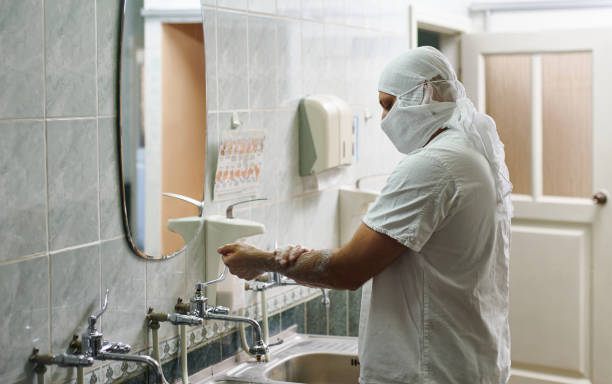
Hygiene regulations testing is a necessary part of managing any modern building. You must make sure that your staff understand how to keep a space clean and safe for everyone. In Australia, strict standards govern how businesses handle waste, chemicals, and surface cleaning. When you manage a facility, the responsibility for these standards falls on your shoulders. You need to know that every person on your team has the right skills before they start work.
Key Takeaways
- Hygiene regulations testing helps identify gaps in staff knowledge.
- Proper facility management hiring reduces risks to public health.
- Cleaning staff assessments make sure workers follow Australian safety laws.
- Workplace safety depends on constant training and clear standards.
- Testing before you hire saves time and prevents future accidents.
The Importance of Hygiene Knowledge in Facilities
You know that a clean environment is about more than just looking good. It is about health. Facility managers and commercial cleaners must have a deep understanding of how germs spread. This knowledge helps prevent outbreaks of illness in offices, hospitals, and schools.
Key areas of hygiene knowledge include:
- Understanding cross-contamination and how to prevent it.
- Knowing the difference between cleaning, sanitising, and disinfecting.
- Proper use of colour-coded equipment for different areas.
- Safe handling of biological waste and sharp objects.
- Knowledge of hand hygiene protocols to protect themselves and others.
If your team lacks this knowledge, the risks are high. You might face legal issues or health department fines. By focusing on hygiene regulations testing, you set a high standard from the first day.
Hygiene Regulations Testing for New Hires
When you bring new people into your team, you cannot guess their skill level. You must test them. Hygiene regulations testing allows you to see if a candidate knows the rules of the industry. This test should cover both theory and practical skills.
A good test for a commercial cleaner might include:
- Identifying the correct chemical for a specific surface.
- Explaining the contact time needed for a disinfectant to work.
- Demonstrating the correct way to put on and take off gloves.
- Describing the steps to clean a high-traffic area like a lift or a lobby.
- Showing knowledge of Material Safety Data Sheets (MSDS).
When you use facility management assessments, you gain a clearer picture of a candidate's skills. This helps you make better choices for your team.
Improving Workplace Safety Through Knowledge
Workplace safety is a main priority for every Australian business. Cleaners often work with dangerous chemicals and heavy machinery. They also work in areas where slips and falls are common. Hygiene and safety go hand in hand.
To keep your workplace safe, you should focus on these points:
- Chemical safety: Staff must know how to dilute chemicals correctly.
- Slip prevention: Using "wet floor" signs every time a floor is mopped.
- Ergonomics: Teaching staff how to lift heavy vacuum cleaners or bins without injury.
- Electrical safety: Checking cords and plugs on cleaning equipment for damage.
- Personal Protective Equipment (PPE): Making sure staff wear masks, goggles, or aprons when needed.
If a worker does not understand these rules, they put themselves and others in danger. Testing their knowledge helps you find these risks before an accident happens.

Effective Facility Management Hiring Strategies
Facility management hiring is a complex process. You need people who are reliable, hardworking, and knowledgeable. To find the best candidates in the Australian market, you should change how you recruit.
Try these steps to improve your hiring:
- Write clear job descriptions that list specific hygiene requirements.
- Use pre-hire tests to filter out candidates who do not meet your standards.
- Conduct practical interviews where candidates show you how they clean.
- Check references specifically for their history with safety and hygiene.
- Ask situational questions, such as "What would you do if a chemical spilled?"
These strategies help you build a team that you can trust. It also reduces the time you spend on fixing mistakes made by untrained staff.
Cleaning Staff Assessments and Performance
Once you have hired your team, the work does not stop. Cleaning staff assessments should happen regularly. This keeps the team sharp and makes sure they follow the latest Australian health guidelines.
You can assess your staff by:
- Doing spot checks while they are working.
- Using checklists that staff must sign off on after completing a task.
- Reviewing the results of hygiene regulations testing every six months.
- Asking for feedback from building tenants or office workers.
- Reviewing safety logs to see if any near-misses have occurred.
Regular assessments show your staff that you value high standards. It also gives you a chance to provide more training where it is needed.
Building a Culture of Safety
A safe building starts with a culture of care. You want your staff to feel proud of the work they do. When they understand the "why" behind hygiene rules, they are more likely to follow them.
To build this culture:
- Share the results of safety audits with the whole team.
- Reward staff who consistently follow hygiene protocols.
- Provide clear, easy-to-read manuals in the languages your staff speak.
- Encourage staff to report safety hazards immediately without fear of trouble.
- Hold regular meetings to discuss new workplace safety rules.
This approach makes hygiene a part of the daily routine rather than a chore. It leads to a cleaner facility and a happier team.
Conclusion
Hygiene regulations testing is a key tool for any facility manager in Australia. It helps you find the right people during facility management hiring and keeps your standards high through cleaning staff assessments. By focusing on workplace safety and hygiene knowledge, you protect your building, your staff, and the public. Use these tests and strategies to build a stronger, safer business today.
Frequently Asked Questions
Why is hygiene testing important for cleaners?
It makes sure that cleaners know how to prevent the spread of germs. It also guarantees they know how to use chemicals safely without hurting themselves or others.
What should be included in a facility management assessment?
An assessment should include questions about chemical safety, waste management, PPE use, and specific cleaning techniques for different surfaces.
How often should I test my cleaning staff?
It is a good idea to test new staff before they start. After that, you should do a formal assessment at least once or twice a year to keep their knowledge fresh.
Does hygiene testing help with Australian law?
Yes. Following strict hygiene and safety rules helps you meet the standards set by Australian health and safety regulators.
Can testing help reduce staff turnover?
Yes. When staff are properly trained and tested, they feel more confident in their jobs. This leads to higher job satisfaction and less people leaving your team.
Related Articles


English (Australia)