Improving Warehouse Cleanliness with Hygiene Tests

Hazel Hernandez


May 20, 2026

6 min read
Key Takeaways
- Hygiene tests help you find hidden dirt and bacteria.
- Regular testing stops pests like rodents and insects from moving in.
- Clean floors and shelves reduce the risk of trips and falls.
- Industrial hygiene standards keep your staff healthy and productive.
- Hiring the right people helps maintain high cleaning standards.
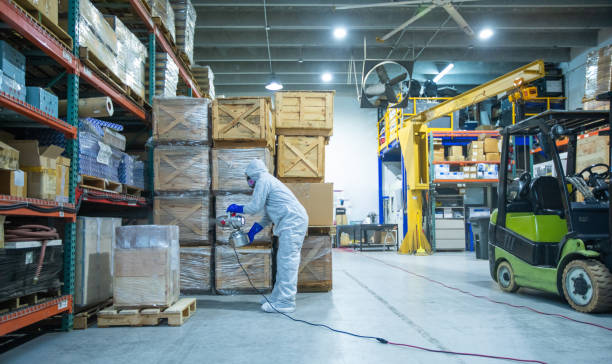
Maintaining a high level of warehouse cleanliness is a major part of running a successful business in Australia. You know that a messy warehouse leads to delays and accidents. However, surface cleaning is not always enough. You must look closer at the hygiene of your facility to keep it safe. Hygiene compliance tests provide the data you need to keep your space healthy. These tests check for things you cannot see with your eyes. By using these tests, RefHub helps you understand where your cleaning plan might be failing. This article explains how these tests work and why they are necessary for your logistics operations.
The Importance of Hygiene Compliance in Australia
In Australia, businesses must follow strict health and safety rules. Warehouse cleanliness is not just about looks: it is about following the law. If your facility is dirty, you could face fines or be forced to close. Hygiene compliance tests measure how clean your surfaces and air really are.
These tests are a part of industrial hygiene. This field focuses on identifying risks in the workplace. In a warehouse, risks can include:
- Dust buildup on high shelves.
- Chemical leaks that go unnoticed.
- Mould in damp corners or cold storage areas.
- Bacteria on shared equipment like forklifts or scanners.
When you perform these tests, you show that you care about your workers. You also protect the goods you store. If you store food or medicine, cleanliness is even more important. One mistake can ruin an entire shipment.
How Industrial Hygiene Prevents Pest Infestations
Pests are a nightmare for any warehouse manager. Rats, mice, cockroaches, and birds love warehouses because they offer shelter and sometimes food. Once they get in, they are hard to remove. They damage stock, chew through wires, and spread diseases.
Hygiene compliance tests help you stop pests before they start a colony. Here is how:
- Finding Food Sources: Tests can find traces of organic matter that you might miss. Even small crumbs can attract pests.
- Checking Waste Areas: Testing near bins helps you see if your waste management is working.
- Monitoring Moisture: Many pests need water to survive. Industrial hygiene checks look for leaks or high humidity that attract bugs.
- Identifying Entry Points: While not a "test" in the chemical sense, a hygiene audit looks for holes or gaps where pests enter.
If you keep your warehouse clean, pests have no reason to stay. Regular testing confirms that your cleaning crew is doing a good job. It removes the "hidden" food that keeps pests coming back.
Identifying Common Workplace Hazards Through Testing
A dirty warehouse is an unsafe warehouse. Warehouse safety depends on clear paths and clean surfaces. Hygiene tests help you spot hazards that could lead to injury.
For example, oil or chemical spills are common in logistics. If a spill is not cleaned properly, the floor remains slippery. A hygiene test can detect oily residue even if the floor looks dry. This prevents slips and falls, which are common causes of injury in Australia.
Dust is another hazard. In many Australian warehouses, dust builds up quickly. This is not just a breathing problem. Large amounts of dust can be explosive in certain conditions. Regular industrial hygiene checks measure dust levels. This helps you decide when to bring in heavy-duty cleaning gear.
By focusing on these details, you make the workplace better for everyone. You reduce the number of sick days taken by staff. You also lower the chance of expensive legal claims from accidents.

Improving Warehouse Safety with Regular Inspections
Safety and cleanliness go hand in hand. When you set high standards for warehouse cleanliness, you create a culture of care. Workers are more likely to follow safety rules in a clean environment.
You should create a schedule for hygiene inspections. Do not wait for a problem to happen. Use these steps to stay ahead:
- Conduct weekly visual checks of all aisles.
- Perform monthly swab tests on high-touch surfaces.
- Schedule quarterly air quality tests to check for dust and fumes.
- Review your cleaning chemicals to make sure they are safe for your staff.
When you find a problem, fix it immediately. Do not let small issues turn into big hazards. This proactive approach keeps your warehouse running without interruptions.
The Link Between Logistics Hiring and Site Hygiene
The people you hire have a big impact on how clean your warehouse stays. If your staff does not value cleanliness, your hygiene tests will fail. This is why your hiring process is so important.
When you are looking for new workers, you should look for people who are detail-oriented. You need staff who will report a spill or a pest sighting right away. Some companies use logistics candidate testing to find the right fit for their team. These tests help you see if a candidate has the right attitude toward safety and rules.
Once you hire the right people, train them on your hygiene standards. Show them how to use cleaning tools correctly. Make sure they understand that warehouse cleanliness is part of their job, not just something the cleaners do at night. When everyone takes responsibility, the warehouse stays much cleaner.
Steps to Implement Hygiene Compliance Tests
Starting a testing program might seem hard, but you can break it down into simple steps. You do not need to do everything at once.
- Audit Your Current State: Look at your warehouse. Where are the dirtiest areas? Start your testing there.
- Set Standards: Decide what "clean" means for your business. Use Australian health guidelines as a base.
- Choose Your Tests: Decide if you need air testing, surface swabs, or both.
- Hire Professionals: Sometimes you need an outside expert to run industrial hygiene tests. They have the right tools to get accurate results.
- Review the Data: Look at the test results. If a certain area keeps failing, find out why. Maybe you need a different cleaning chemical or a better schedule.
- Update Your Plan: Use the results to improve your cleaning routine.
RefHub recommends keeping a log of all your tests. This log is proof that you are following safety laws. It is very helpful if you ever have an official inspection.
Frequently Asked Questions
What is the most common cause of warehouse dirt?
Most dirt comes from outside. Trucks bring in mud and dust. Pallets often carry dirt and insects from other locations. Cardboard boxes also create a lot of paper dust as they are moved and opened.
How often should I perform hygiene compliance tests?
It depends on what you store. If you store food, you might need to test every week. For general goods, once a month or once a quarter is usually enough. You should also test after any big spill or if you see signs of pests.
Can I do these tests myself?
You can do basic visual checks and some simple swab tests yourself. However, for a full report on industrial hygiene, it is best to hire a professional. They can find microscopic problems that you might miss.
Does warehouse cleanliness affect insurance rates?
Yes, it can. Insurance companies often look at your safety record. A clean, well-managed warehouse has fewer accidents. This can lead to lower insurance costs over time because you are seen as a low-risk business.
Conclusion
Warehouse cleanliness is a key part of your success in the Australian logistics sector. By using hygiene compliance tests, you go beyond surface cleaning. You protect your goods from pests and your workers from hazards. These tests provide the facts you need to make smart decisions about warehouse safety.
Remember that a clean warehouse starts with the right people. Using tools for logistics hiring helps you build a team that cares about hygiene. When you combine good people with regular testing, you create a workplace that is safe, efficient, and compliant with all laws. RefHub is here to help you stay on track with your facility goals. Keep your standards high, and your business will see the benefits.
Related Articles


English (Australia)