Methods to Help You Reduce Hiring Bias

Hazel Hernandez


May 4, 2026

6 min read
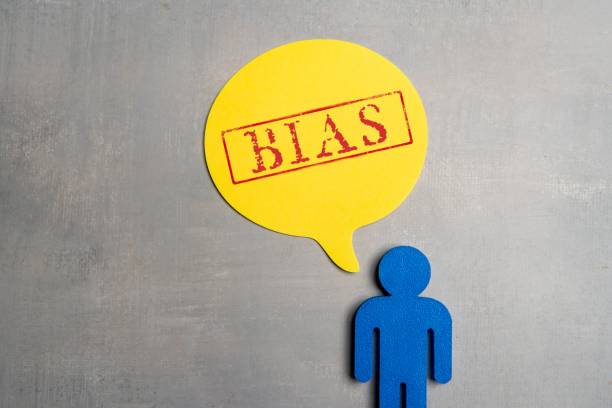
You want to build a better team. You want to find the best people for the job. However, hidden feelings can get in the way. These feelings are called unconscious bias. To reduce hiring bias, you need a system that looks at what people can do, not just where they went to school. RefHub provides tools to help you reach this goal. By using standardized skill assessments, you can see a candidate's actual abilities. This approach moves the focus away from personal history and toward job performance.
Key Takeaways
- Resumes can hide a person's true skills and lead to unfair choices.
- Testing skills directly makes the hiring process more fair for everyone.
- Objective data helps you make better choices based on facts.
- Inclusive hiring helps your business grow by finding diverse talent.
- Standardized tests provide a level playing field for all applicants.
Why Traditional Hiring Methods Often Fail
For a long time, managers looked at resumes first. They looked at the names of schools. They looked at the names of past companies. This method has many flaws. It often leads to picking people who are like the manager. This is not always the best way to find talent.
- Resumes often contain information that triggers bias.
- Names can lead to gender or ethnic bias.
- School names can lead to class bias.
- Past job titles do not always show what a person can actually do.
- Interviews without a plan can be based on "gut feelings" rather than facts.
When you rely on these old ways, you might miss great workers. You might hire someone because they went to the same college as you. This does not help your business succeed. It only keeps the same types of people in the same roles.
Using Standardized Testing Recruitment for Fairness
To fix these problems, many companies now use standardized testing recruitment. This means every person who applies for a job takes the same test. The test is built to measure the skills needed for that specific job.
- Everyone answers the same questions.
- Everyone performs the same tasks.
- The grading is the same for every person.
- Personal details are often hidden during the testing phase.
This method helps you focus on what matters. You can see who can write code, who can manage a budget, or who can write a clear report. You do not need to guess based on a resume. This makes the process fair. It also makes your job as a manager easier because you have clear data to look at.
The Power of Objective Skill Evaluation
An objective skill evaluation is different from a standard interview. In an interview, you might like someone because they are friendly. In a skill test, you like someone because they did the work correctly.
- It removes the "likability" factor from the first stage.
- It provides a score that you can compare across all candidates.
- It shows how a person handles real job tasks.
- It reduces the chance of making a mistake based on a first impression.
When you use RefHub, you focus on these scores. You can set a benchmark for what a passing score looks like. This way, you only talk to people who have already proven they can do the work. This saves you time and helps you reduce hiring bias before you even meet the candidate.

Building Inclusive Enterprise Hiring Through Data
Large companies need a way to hire many people at once. This is where inclusive enterprise hiring becomes important. You need a system that works at scale. You cannot spend hours looking at every resume for a thousand applicants.
- Data allows you to filter candidates fairly.
- It helps you find talent in places you might not usually look.
- It creates a record of why someone was hired or not hired.
- It helps you meet diversity goals by focusing on merit.
By using data, you make your company more open. You find people from different backgrounds who have the right skills. This diversity makes your team stronger. It brings in new ideas and different ways of solving problems.
Steps to Create a Fair Hiring Process
If you want to change how you hire, you can follow these steps:
- Define the Job: Write down the exact skills someone needs to do the job well.
- Create a Test: Build or use a test that measures those specific skills.
- Test Early: Ask candidates to take the test before you look at their resumes.
- Hide Names: Use "blind" grading where you do not see the person's name or background.
- Use Structured Interviews: If they pass the test, ask the same set of questions to every person you interview.
- Compare Scores: Use the test results and interview scores to make your final choice.
These steps help you stay focused on the facts. They help you avoid the traps of your own mind. When you follow a set process, you are less likely to let bias creep in.
Common Types of Bias in Recruitment
It is helpful to know what you are fighting against. Here are some common biases that affect hiring:
- Affinity Bias: Feeling a connection to someone because they are like you.
- Halo Effect: Thinking someone is good at everything because they are good at one thing.
- Horns Effect: Thinking someone is bad at everything because of one small mistake.
- Confirmation Bias: Looking for reasons to support your first impression of a person.
- Contrast Bias: Comparing a candidate to the person you just interviewed instead of the job requirements.
Standardized tests help stop these biases. A test score does not care where someone grew up. A test score does not care what someone is wearing. It only shows if the person can perform the tasks required for the role.
Conclusion
Building a fair hiring process is a goal for many modern companies. It helps you find the best talent and build a strong team. By moving away from resumes and toward skill tests, you can reduce hiring bias in a real way. RefHub helps you make this change. When you use objective data, you make better choices for your business. You give everyone a fair chance to show what they can do. This leads to a more diverse and successful company for everyone involved.
Frequently Asked Questions
Why is testing skills better than looking at resumes?
Resumes show a person's history, but they do not always show their current ability. Tests show what a person can do right now. This helps you avoid bias based on school names or past companies.
How does RefHub help with inclusive hiring?
RefHub provides tools for standardized testing. These tools help you look at candidates based on their scores rather than their personal backgrounds. This makes the process fair for everyone who applies.
Can standardized tests be biased too?
Tests must be designed carefully to match the job. If a test only asks about the job tasks, it is much fairer than a resume. You should always check that your tests are fair and related to the work.
Related Articles


English (Australia)